


Every city trades one thing for another. This guide lists what Reno offers and what it asks of you, using Census, NOAA and Nevada Department of Taxation figures, then turns each point into something you can plan for before the truck arrives.
What Reno offers
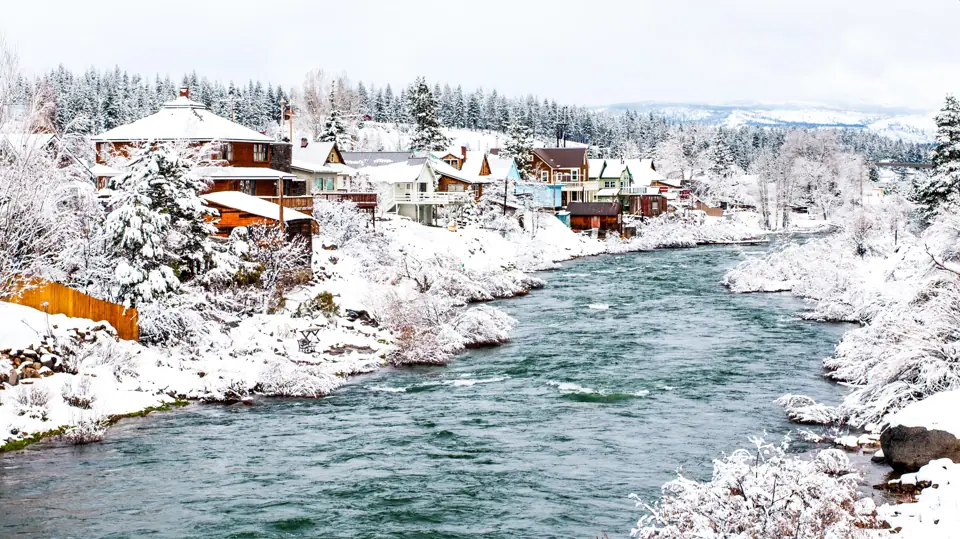
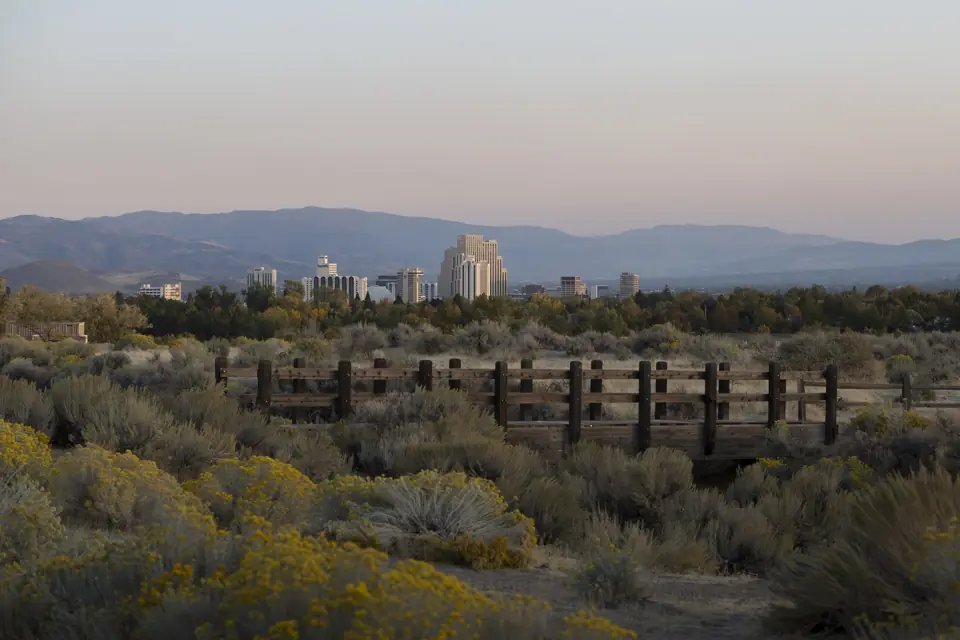
Reno sits at about 4,930 feet and gets very little rain. NOAA's 1991 to 2020 normals for Reno-Tahoe International Airport show 7.35 inches of precipitation a year and 20.9 inches of snow, so most days are dry and the snow that falls in the valley tends to melt within days.
Nevada collects no individual income tax; the Census Bureau's state tax collections for fiscal year 2024 show zero individual income tax collected. The statewide sales tax has a 6.85 percent minimum, and the county adds its own portion. People moving from a high-tax state often feel that difference first in the paycheck.
- Dry air and sun: Reno's July afternoons average 93.9 F with cool nights near 60 F.
- A commercial airport with 20 or more nonstop destinations listed by Reno-Tahoe International.
- Mountains close by: Truckee is about 36 miles from our Sparks warehouse and Incline Village about 33.
- A connected region of Reno, Sparks, Carson City and the Tahoe communities.
What Reno asks of you
The valley has four real seasons, and the cold is steady. NOAA counts about 122 days a year when the airport's overnight low reaches 32 F or colder, and about 65 days when the afternoon high reaches 90 F or hotter. A move in January and a move in July are different jobs, so book with the weather in mind.
Housing is the other number to plan around. The American Community Survey (2020 to 2024) puts the median home value in Reno city at $548,300 and the median gross rent at $1,556. Half of Reno's households, 50.2 percent, rent. If you are selling in a higher-priced market the math can still work; if you are coming from a lower-priced one, build the housing number into your plan first.
Altitude, smoke and the mountain roads
At 4,500 feet and up, new residents often notice drier skin, faster dehydration and a stronger sun. Our altitude guide covers what people adjust to in the first weeks.
Late summer can bring wildfire smoke from the Sierra and beyond, and winter storms can slow I-80 over Donner Summit at about 7,200 feet. Both are covered in wildfire smoke season and winter driving. Knowing about them before you arrive is most of the preparation.
How the pros and cons change by neighborhood
The same numbers move block by block. Sparks has a higher median household income, $89,056 against $80,760 in Reno, and a larger share of single-family homes. Reno has more apartments and more renters. Our Sparks vs Reno page lines the two up, and the neighborhood guide goes ZIP by ZIP.
Turning the list into a moving plan
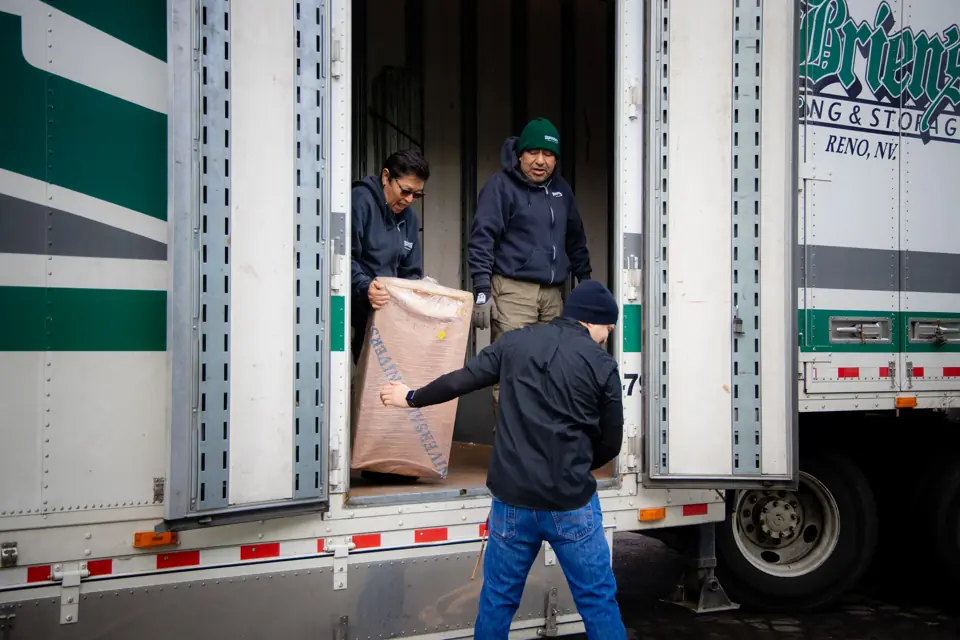
A decision about Reno is also a decision about timing. If you are leaving another state, you book the move with O'Brien's and we coordinate it from your origin through the Bekins network, then deliver, unpack and store in Sparks. Your written estimate sets the delivery window.
Start with a free in-home estimate from an O'Brien's estimator, which comes with 10 free heavy-duty boxes you keep. If your new home is not ready, vault storage starts from $40 per month at our 30,000 square foot Sparks warehouse. Call 775-359-6683 or use the estimate request.