

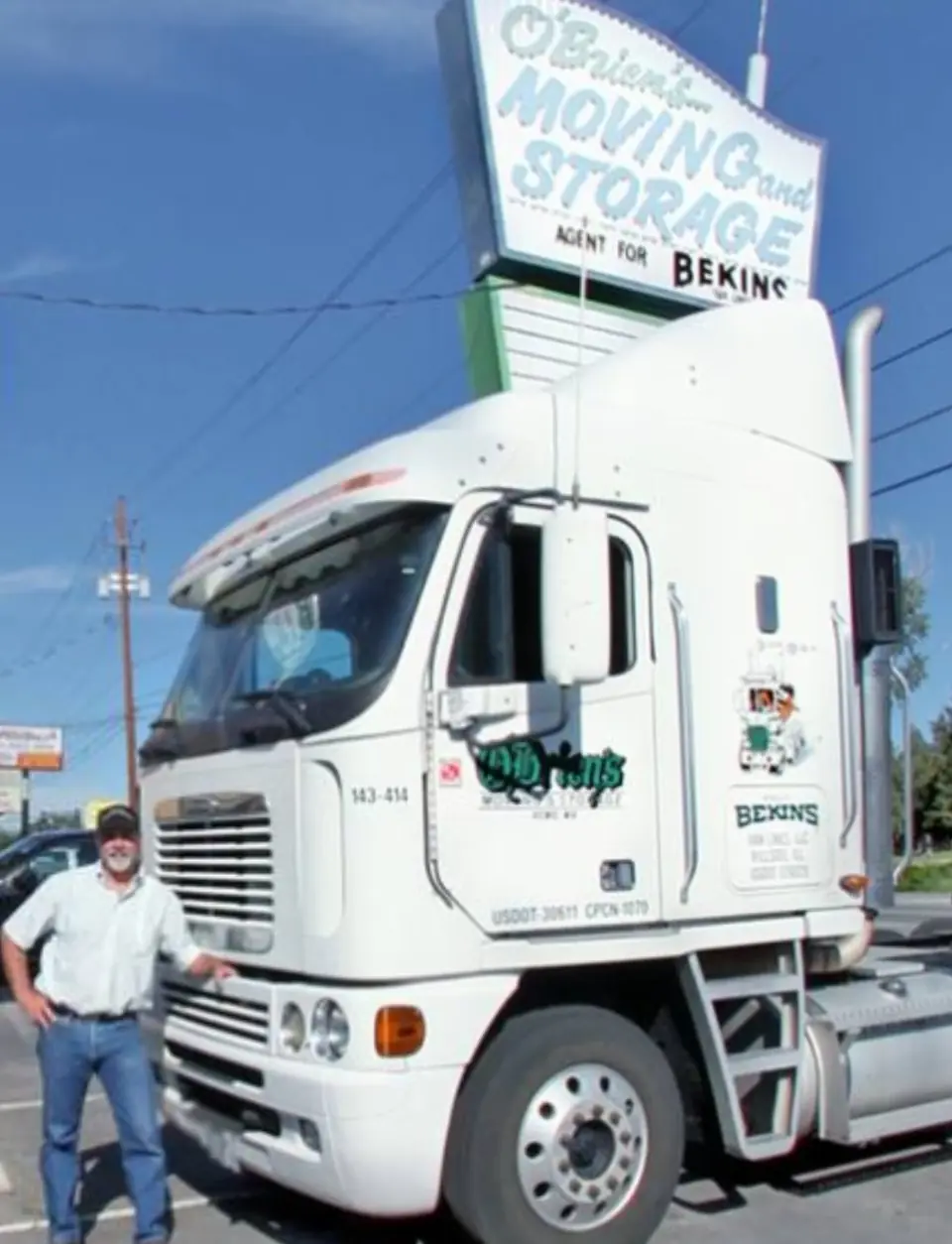
Moving across an ocean is different from moving across a state. The belongings travel in a container, several companies take part, and two governments check the paperwork. This guide explains the parts, the regulators and the questions to ask.
Part one: packing and loading
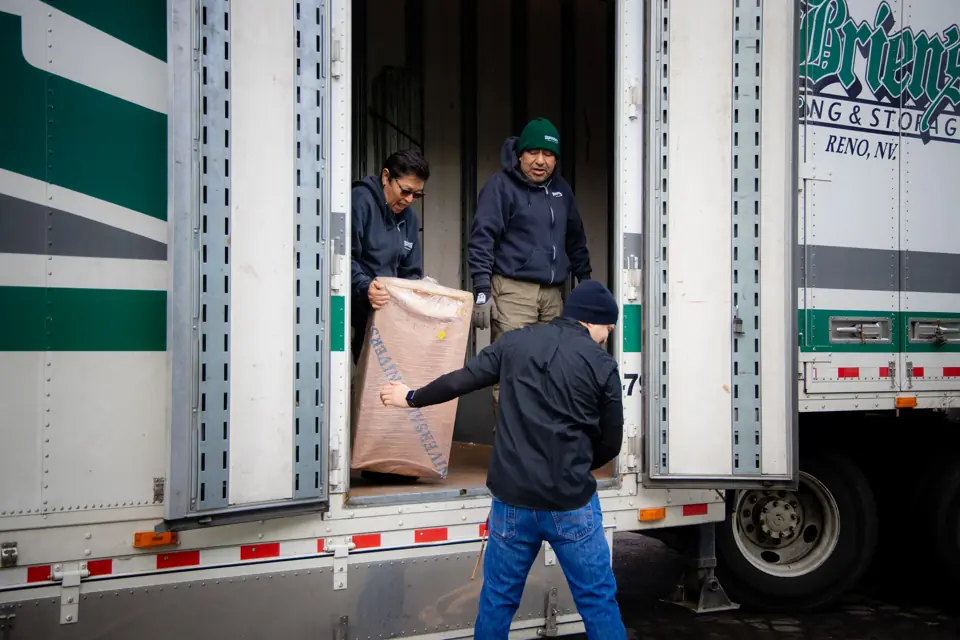
International packing is more careful than local packing, because the load travels a long way and is handled several times. Crating protects furniture, art and electronics, and an inventory lists everything with its condition. The full packing and custom crating pages describe how O'Brien's crews work.
The estimator visits the home so the list matches what you are moving. The visit is free, and the 10 free heavy-duty boxes come with it.
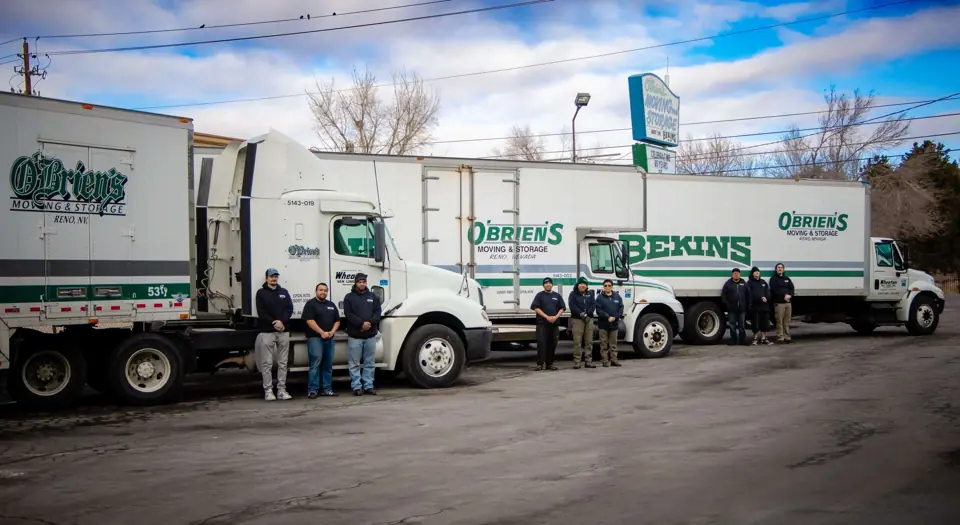
Part two: the haul to a port
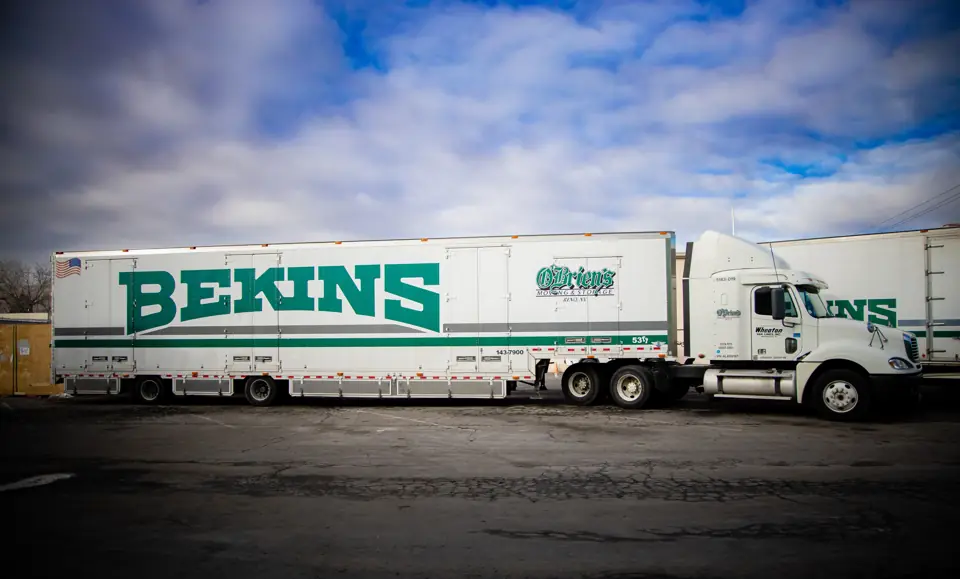
The container is loaded and sealed, then hauled to a port by road or rail. Reno is inland, so this leg matters. For the details of how a shipment is routed, ask the office rather than relying on general descriptions, since routing varies by shipment.
Part three: the ocean leg and who regulates it
In the United States the Federal Maritime Commission regulates ocean transportation intermediaries, the companies that arrange ocean shipments. Ask any company that quotes an ocean move to explain who is carrying your container and under what rules. Get the answer in writing.
Schedules at sea are set by carriers, and the dates in a quote are estimates. Your written estimate is the place to read what the company commits to.
- Ask who carries the container at each stage.
- Ask what the quote includes and what it leaves out.
- Ask how the shipment is protected, and read the coverage terms.
- Ask who deals with customs paperwork at the destination.
Part four: customs and delivery
Each country sets its own rules for household goods. The destination government's customs agency is the authority, and its website lists what is allowed, what is restricted and which forms to file. U.S. Customs and Border Protection sets the rules for goods coming into the United States. For neighbors, see moving to Canada and moving to Mexico; for the reverse trip, see moving to Reno from abroad.

Plan the paperwork and the stay
Start with your visa and residency, since the rest depends on them. Make a detailed inventory with the home inventory builder, and decide what to sell, ship or store. Vault storage in the Sparks warehouse starts from $40 per month, with about 2 to 3 weeks notice to ship. See international moving for the service overview.