

How to check a mover's USDOT number
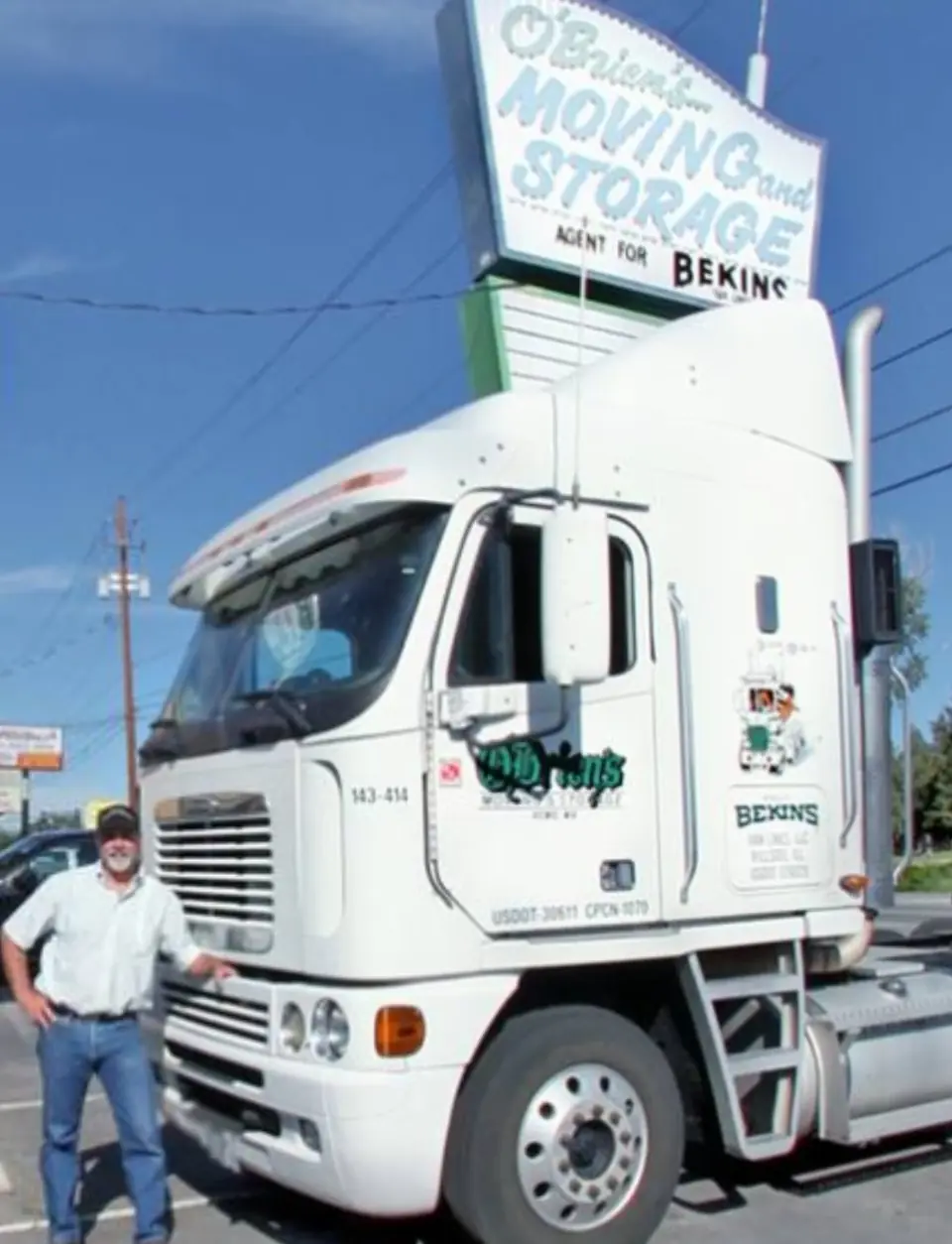
- Get the number Ask the company for its U.S. DOT number and MC number, or read them from the estimate, the website or the truck door.
- Open the SAFER company snapshot Go to the FMCSA SAFER website and choose the company snapshot lookup.
- Search by number Enter the U.S. DOT number or the MC number and submit the search.
- Read the record Confirm the legal name, the physical address and an active operating status for household goods.
- Match it to the paperwork Check that the name and number appear exactly the same on your estimate, your bill of lading and the vehicle.
- Ask about anything that does not match Call the company before you book, and put any answers in writing.
A mover that takes your belongings across state lines must be registered with the Federal Motor Carrier Safety Administration. The check takes a couple of minutes and is the first thing to do with any company before inviting it into your home.

What the numbers mean
A U.S. DOT number identifies a motor carrier in federal records. An MC number is the operating authority that lets a for-hire carrier transport regulated cargo between states. Federal rules require a household goods mover to show its name and U.S. DOT number in every advertisement, in the form U.S. DOT No. followed by the number. If a company hides its number or gives you a different one on the truck, estimate and website, treat that as a reason to ask questions. See the glossary entries for USDOT number and MC number.
What to compare once you find the record
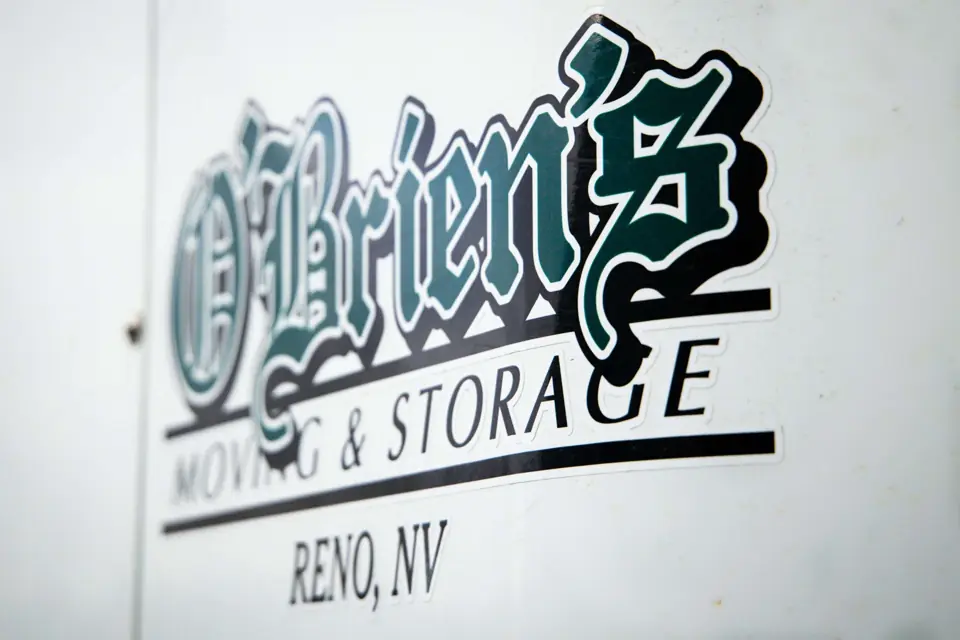
- Legal name and doing-business-as name: they should match your estimate and the lettering on the truck.
- Operating status: look for an active status and authority to carry household goods.
- Address: the physical address in the record should match the company's office.
- Insurance and process agent filings, if shown, because these let you reach the company in a dispute.
For moves inside Nevada
A move that starts and ends in Nevada is regulated by the Nevada Transportation Authority, which issues a certificate of public convenience and necessity (CPCN) to household goods movers. O'Brien's holds Nevada CPCN 1070. The NTA publishes its notices on its website, so the same name check works there. The glossary entry for CPCN explains the term.

Red flags worth acting on
Walk away from a company that will not give a number, shows a number belonging to another business, quotes a price without seeing your goods on an interstate move, or asks for a large cash deposit before anything is in writing. The FMCSA advises customers to avoid brokers and movers that are not registered with FMCSA or that refuse a physical survey, and to keep receipts if cash is required. The carrier versus broker guide explains why the registered name matters.