



The booklet runs to dozens of pages, and most people never open it. This guide pulls out the parts that decide how a move goes, with the rule behind each one so you can look it up.
What your mover owes you before you book
Before an interstate move, you should receive a written estimate, the FMCSA Ready to Move brochure, information about the mover's arbitration program, written notice about access to the tariff and the process for handling claims, and the Rights and Responsibilities booklet itself. A verbal quote is not an official estimate because it is not in writing, and the estimate must be dated and signed by you and the mover.
Federal rules also require a physical survey of your goods before the written estimate, in person or by video, unless you waive it in writing before loading.

Your rights during the move
- A written inventory of every carton and item, with condition notes, signed by you and the mover, with a copy for you.
- A bill of lading that states the terms of the contract, and a copy from the driver before or at loading.
- The right to be present at each weighing and to request a reweigh at no charge before unloading.
- At least 24 hours of notice before delivery, with exceptions you agree to.
- A choice of liability: Full Value Protection or the waiver at 60 cents per pound per article.
- Arbitration for loss and damage claims, if the mover cannot settle them with you.
Your responsibilities
The booklet says plainly that the primary responsibility for protecting your move lies with you. It asks you to read every document the mover issues, be available at pickup and delivery or appoint a representative, tell the mover promptly about changes such as new dates or added items, pay in the form agreed in the bill of lading, and file claims promptly. Do not sign blank documents, and sign incomplete ones only where information cannot be known before loading, such as the final weight.
If something goes wrong
Claims for loss or damage must be filed in writing within 9 months of delivery. The mover has 30 days to acknowledge a claim and 120 days to give you a disposition. FMCSA regulates movers but cannot settle a claim for you, so the next step after a failed settlement is arbitration, which the mover must offer on claims of 10,000 dollars or less, or a civil suit. Details are in the claim guide.

How this fits Nevada moves
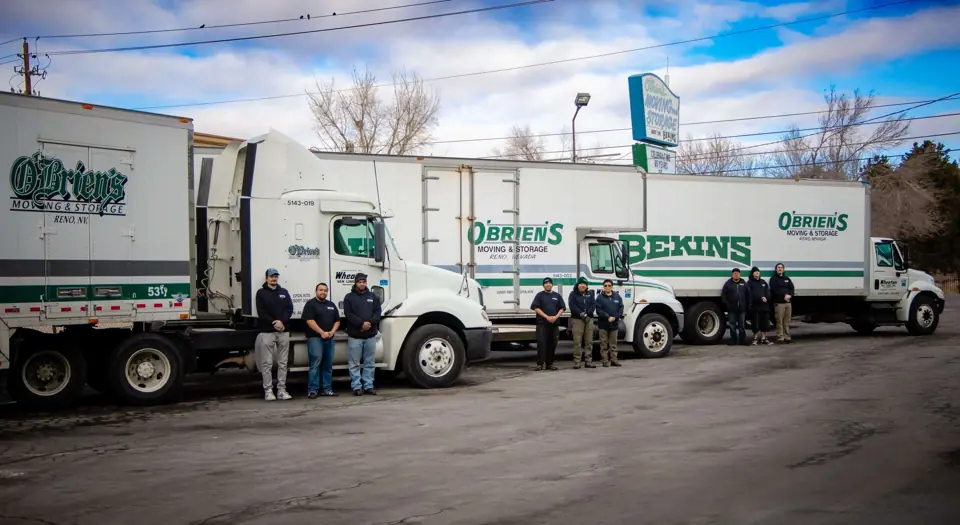
These rules cover interstate moves, which includes a move between Nevada and California. Moves that start and end in Nevada follow a tariff approved by the Nevada Transportation Authority. O'Brien's holds U.S. DOT No. 30611 and MC-109375 for interstate work and Nevada CPCN 1070 for moves inside the state; see licenses and operating authority.