


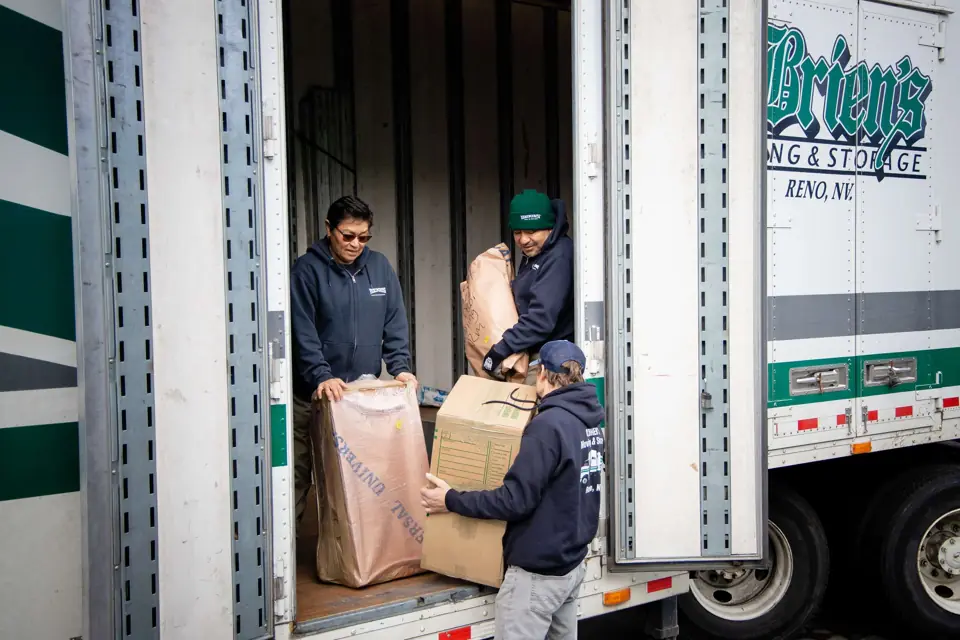


By the time the crew arrives, most of the work is behind you. What is left is a short list of habits that keep the day calm: being ready, being available and paying attention at the points where decisions are made.
The night before
Finish packing everything except the items for the first night and the morning. Disconnect and drain the washer, defrost the freezer, and unplug the refrigerator so it can dry. Move the cars out of the driveway or the loading zone, and put a note on the street if you need to reserve space for a truck. Charge your phone and set out the cash or card for any payment you plan to make at delivery.
If you have stairs, narrow halls, an elevator that needs a reservation or an apartment gate code, write those details on a card and give it to the crew lead. They help the crew plan the carry.
When the crew arrives
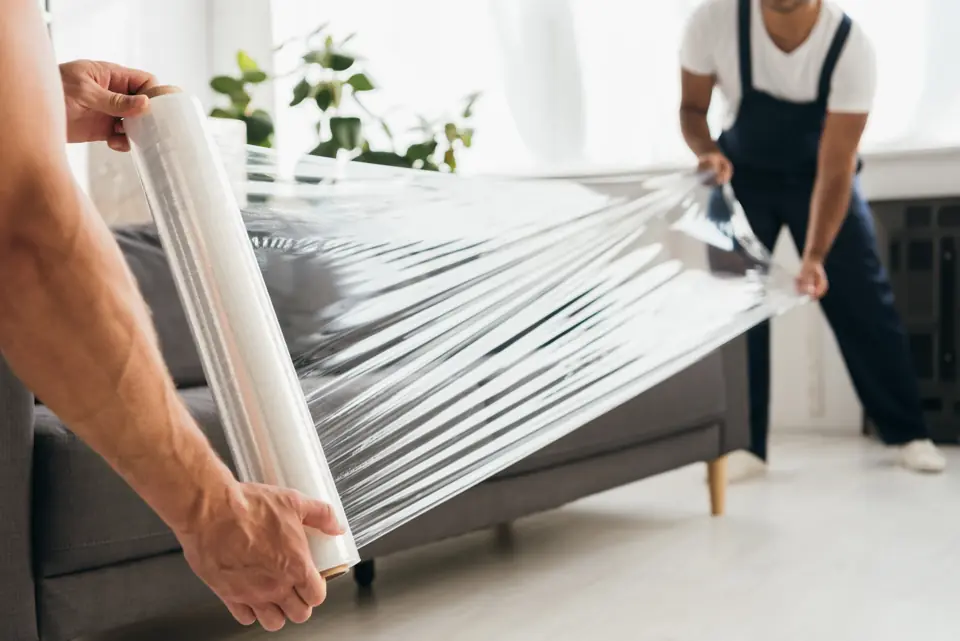
Walk the home with the crew lead before anything leaves. Point out what is moving, what stays, and what needs special care: the glass tabletop, the mirror, the piano, the heavy dresser. Show them the rooms by name so the boxes can be stacked by room.
Your estimator has already seen the home. That visit is the reason the crew knows what is coming, and the estimate is the list they work from.
Protect the home
- Ask the crew to lay floor protection at the doors and in the hallways. Reviews of O'Brien's mention carpet runners to keep dust off floors.
- Prop doors open only while someone is watching them, especially with children and pets.
- Keep pets in a closed room, or at a friend's home, for the day.
- Keep a path clear between the door and the truck so no one carries furniture around a pile of boxes.
Keep these with you
Documents, passports, jewelry, medicine, laptops, keys and the first-night box all ride in your car. Anything you would be unable to replace this week stays with you. Refer to the first-night box guide for the list.
The three walk-throughs
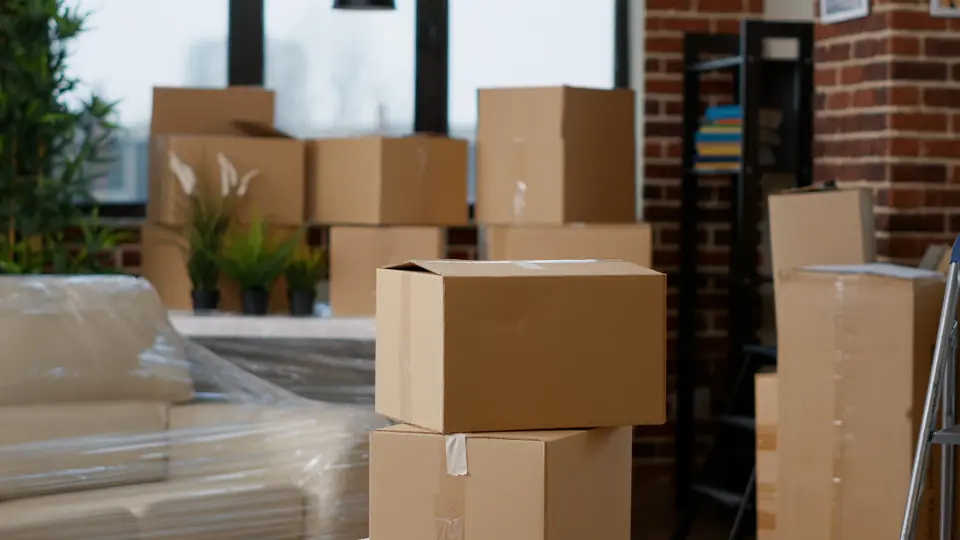
Walk through before loading starts, once more when the truck is nearly full, and a last time in every empty room, including closets, the attic and the garage. Open every cabinet. The final walk-through is the one that finds the lamp behind the door.
Read the inventory and the bill of lading before you sign, and ask about anything that does not match what you saw. Note any damage on the paperwork on the day it is found; the bill of lading explained covers what each form is for.
At the new home
Have a floor plan, even a sketch, taped at the door, with each room named to match your box labels. Direct the furniture first and the boxes after. Check that large pieces were placed where you want them before the crew leaves; it is far easier to move a couch while the crew is still there.