

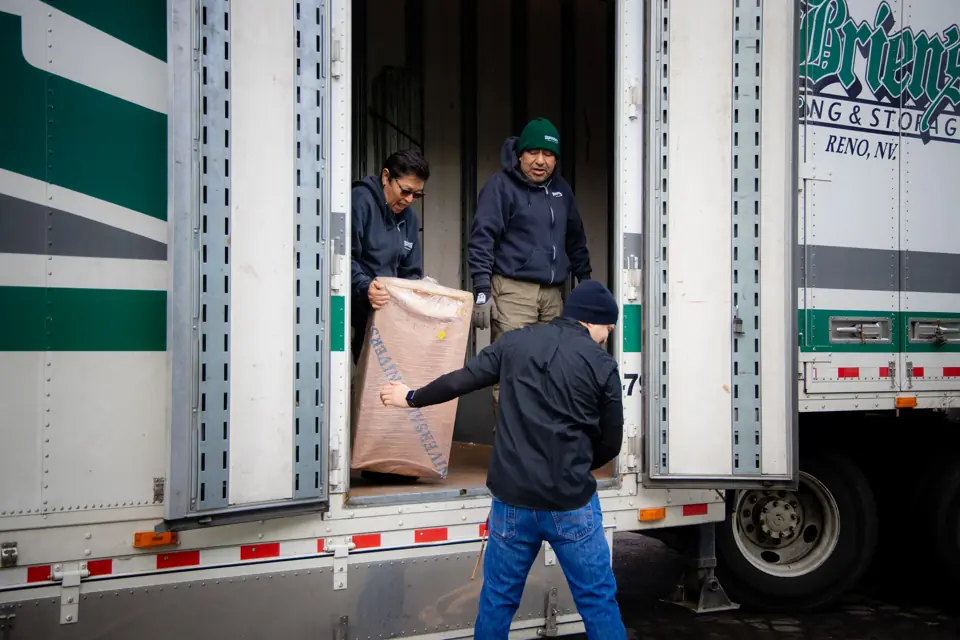

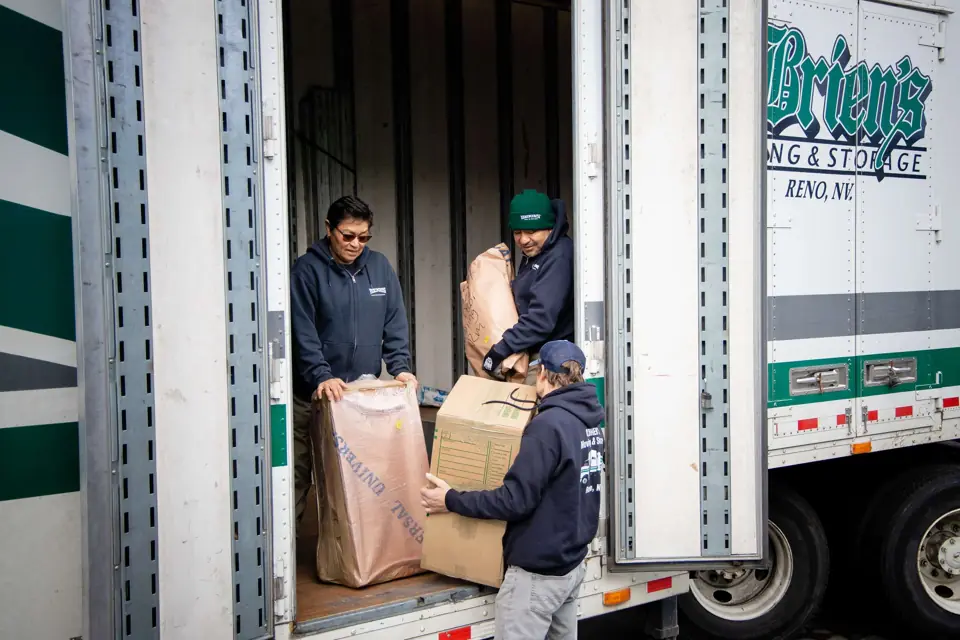
At the end of a long moving day the boxes are stacked in the wrong rooms, and nobody can find the sheets. The first-night box fixes that. It is the one thing in the move you can reach without opening anything else.
What goes in
- Bedding: one set of sheets, a pillow and a blanket for each person.
- Toiletries: toothbrush, soap, towels, toilet paper and a hand towel.
- Medicine and first-aid items, plus glasses or contacts.
- Chargers and one power strip for phones and a laptop.
- A basic tool kit: screwdriver, pliers, tape, box cutter and scissors.
- Paper plates, cups, utensils, a sharp knife and a can opener.
- Coffee or tea and a few snacks.
- Pet food and bowls, and a favorite toy.
- Lightbulbs and a flashlight, in case a lamp is still in a box.
- A change of clothes for each person and the next morning's outfit.
How to pack and mark it
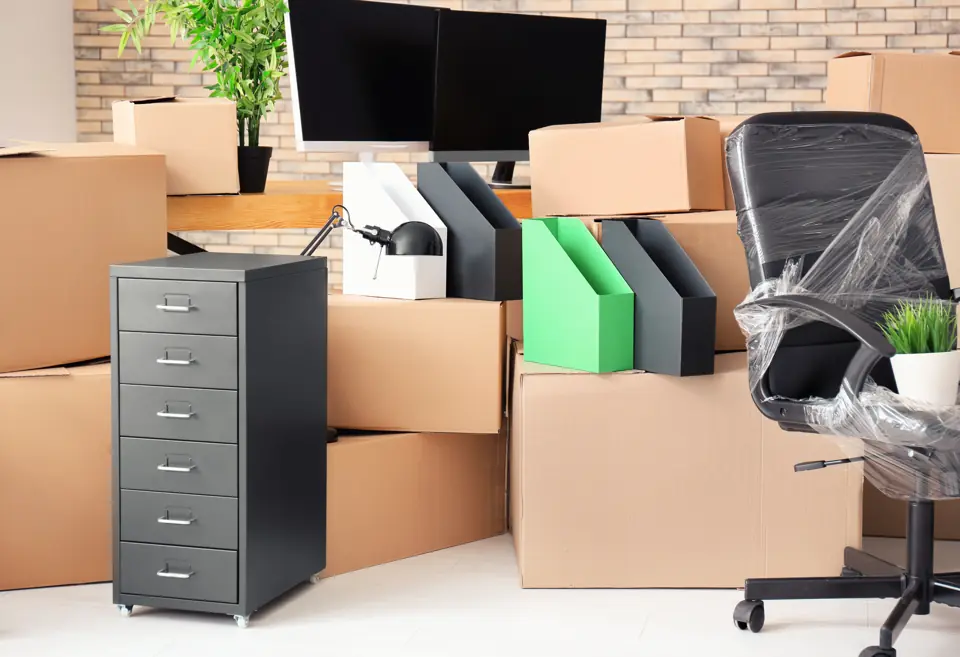
Use a sturdy box with a lid or a tote with a latch. The free heavy-duty boxes that come with an O'Brien's in-home estimate work well for this. Write FIRST NIGHT in large letters on at least two sides and the top, and add your name. Tape a short list inside the lid so you can check it off as you pack.
Seal it last. Anything you need on the final morning (a coffee pot, the last charger) goes in just before the tape.
Keep it off the truck
Take the box in your own car, together with your wallet, keys, documents and valuables. The crew will treat every box on the truck with care, but this one is not for the truck: you want it on your passenger seat. If you are flying and the load follows later, pack a smaller version in a carry-on.
A second box for the kitchen and bath
Consider an 'open first' box for each of those rooms. It holds the pots, the dish soap and the shower curtain, so the room is usable before the other boxes are opened. Mark the box on the outside and tell the crew which room it belongs in, so it lands where you will want it. A moving-day plan helps you tell the crew where each room is.