



Sometimes the date is not yours: a sale closes early, a lease ends, a job starts sooner than planned. A short window changes the order of the work, not the quality of it. Here is how to spend the first day.
Day one: three calls
Call the mover before you do anything else. The date is the one thing that cannot stretch, and the mover knows what the crews can take on. Tell the office the date, the two addresses, the size of the home and any deadline that is fixed. Ask for the earliest in-home estimate. If the estimator can visit soon, you will have a written estimate within days, and you will have seen the 10 free heavy-duty boxes that come with it.
The second call is to your landlord, buyer or building manager, to confirm access, elevator reservations and parking at both ends. The third is to the utilities, so power and water are on at the new home when the truck gets there.
Shrink the job
- Decide what is not coming. Anything you leave behind is weight and time you do not pay for.
- Move the essentials with the crew and the rest later, if the second home is nearby.
- Put part of the move in a vault in the Sparks warehouse if the new home is not ready. Vault storage needs about 2 to 3 weeks notice to ship goods out again, so plan the second leg on that basis.
- Choose partial packing: the crew packs the kitchen and fragile items while you box books and clothes. See partial packing.
- Keep the paperwork simple. Ask the office what it needs before the crew arrives so there is no waiting on the day.
What not to skip
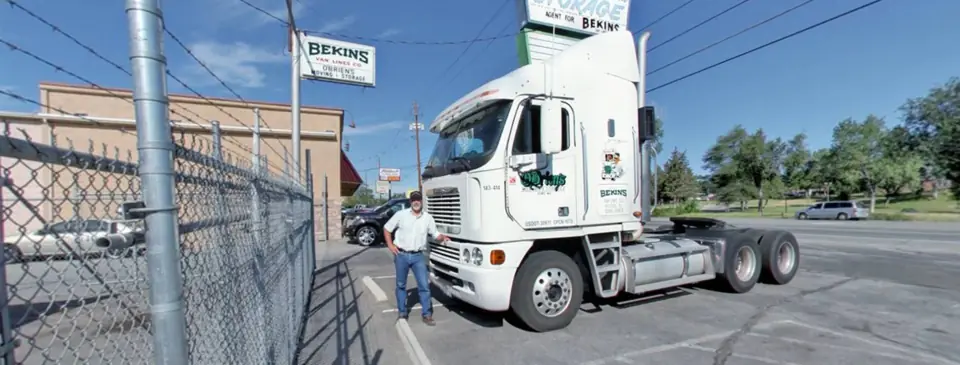
A fast move still needs an inventory and a bill of lading, and it still needs a walk-through at both ends. Skipping them saves minutes and costs you the record you would need after a problem. If you are moving between states, the shipment is priced by weight and the Bekins network schedules the pickup and delivery, so the written estimate shows the delivery window rather than a promise of a day.
Ask about valuation coverage before you sign: valuation coverage explains the options.
If you must pack yourself
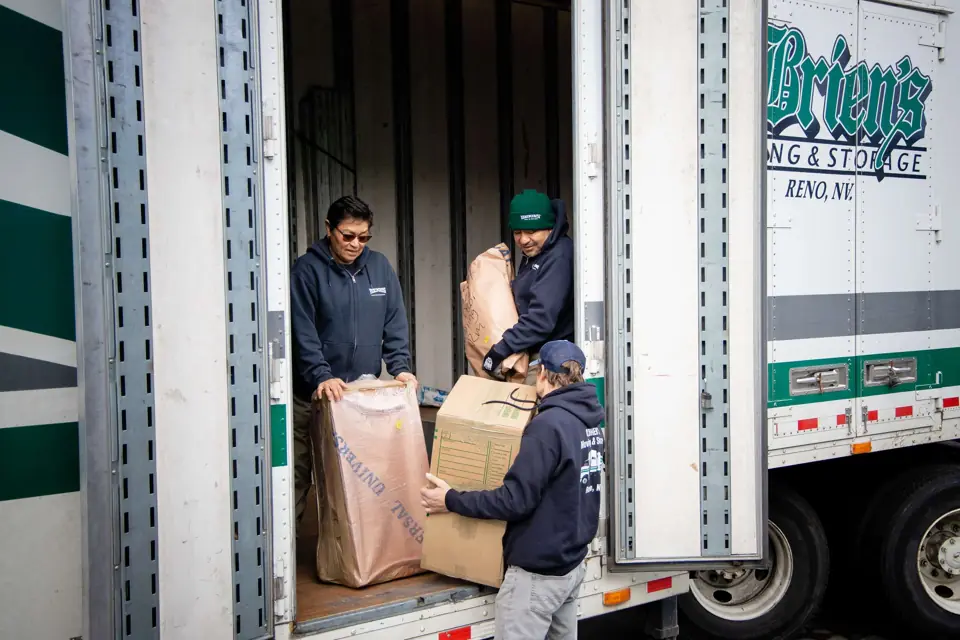
Start with the rooms you use least and end with the kitchen. Use the packing calculator to count boxes quickly, and pack heavy items in small boxes. Label every box on the side, not the top, with the room name. If you run out of time, the crew can finish the packing.