

Five steps before storage
- Clean every surface. Wipe wood with a lightly damp cloth and dry it at once. Vacuum upholstery and let fabric air out. Dust and food crumbs scratch finishes and attract pests.
- Let everything dry. Do not wrap damp wood, cushions or leather. Trapped moisture causes mildew and warping, so give each piece a full day to air.
- Disassemble what comes apart. Remove legs from tables, take off headboards and unbolt bed rails. Tape or bag the hardware and attach the bag to the piece it belongs to.
- Wrap in breathable padding. Use moving blankets or paper pads, not plastic sheeting directly on wood or leather. Wrap corners twice and tape the padding to itself, not to the finish.
- Label and list. Mark each piece and bag with the room, and keep a written list. A list makes it easy to find the lamp, and to check the vault when it is delivered.
Furniture usually fails in storage for ordinary reasons: dust that scratches, moisture that gets trapped, and loose parts that get lost. All are preventable at home, before a crew arrives, in an afternoon.
Where wrapping and plastic go wrong
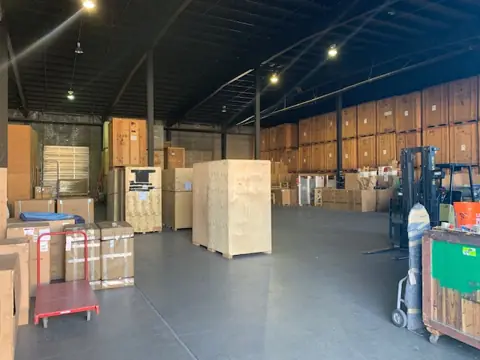
Plastic wrap is useful for keeping drawers closed and blankets in place. Directly on wood, leather or a fine finish it can hold moisture against the surface. Use a layer of paper or blanket first, and shrink-wrap over it. Ask your estimator what the crew will wrap and what you should wrap yourself.
Mattresses, couches and soft goods
- Mattresses: bag in a mattress cover and store flat or on edge, not folded.
- Couches and chairs: vacuum, cover with a breathable fabric sheet, and keep cushions with the frame.
- Rugs: clean, roll with the pile facing in and wrap in paper.
- Pillows, linens and clothing: wash, dry fully, and pack in boxes or wardrobe cartons.
Drawers, shelves and glass
Empty the drawers, because contents shift and add weight. Remove glass shelves and tabletops, wrap each in paper and padding, and store them upright, with an edge down. Mirrors go in picture cartons and ride on edge. For antiques, ask the crew about custom crating; fine art and antiques explains it.
Let the crew do the heavy part
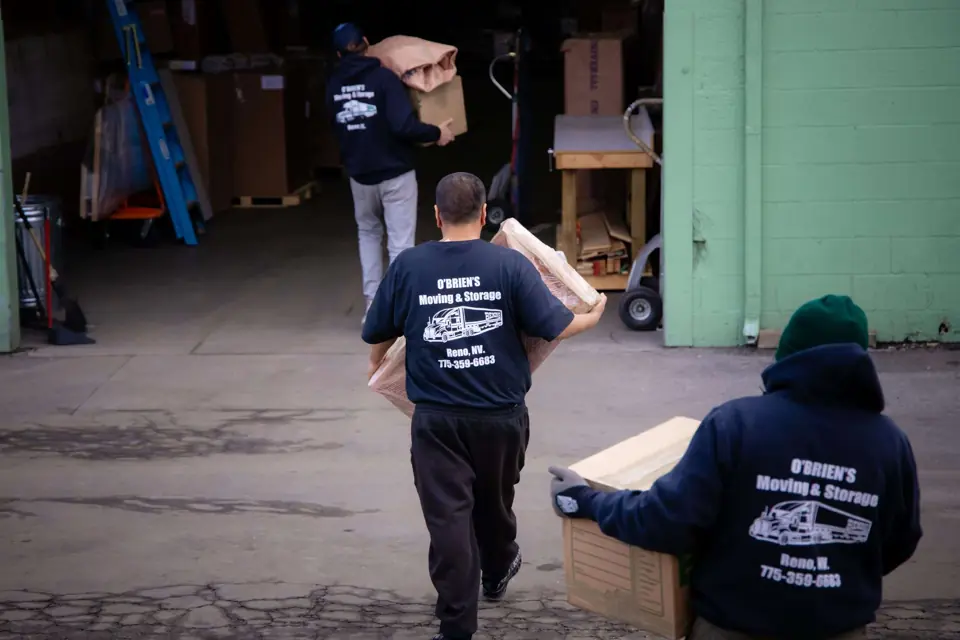
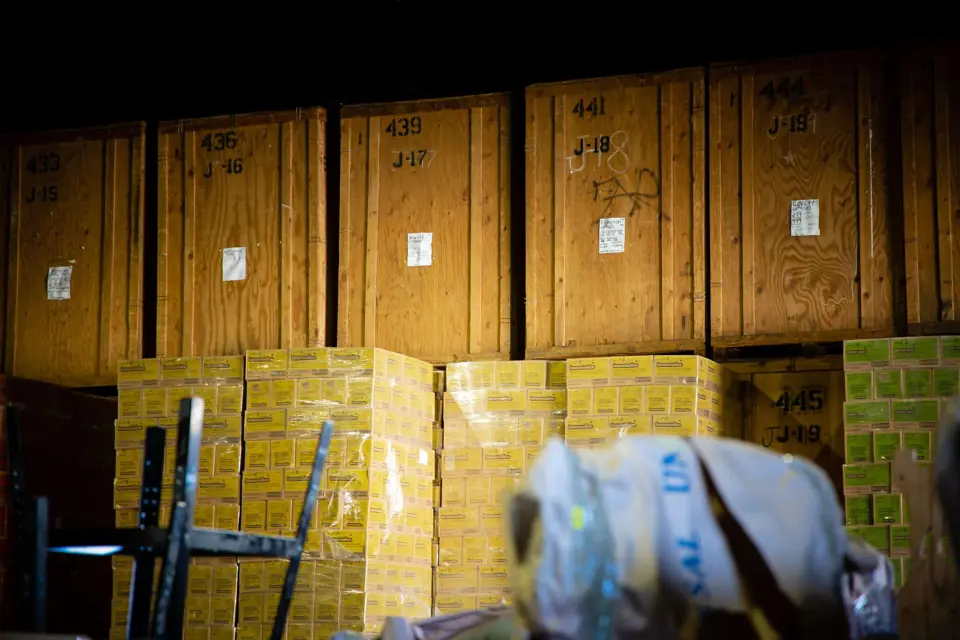
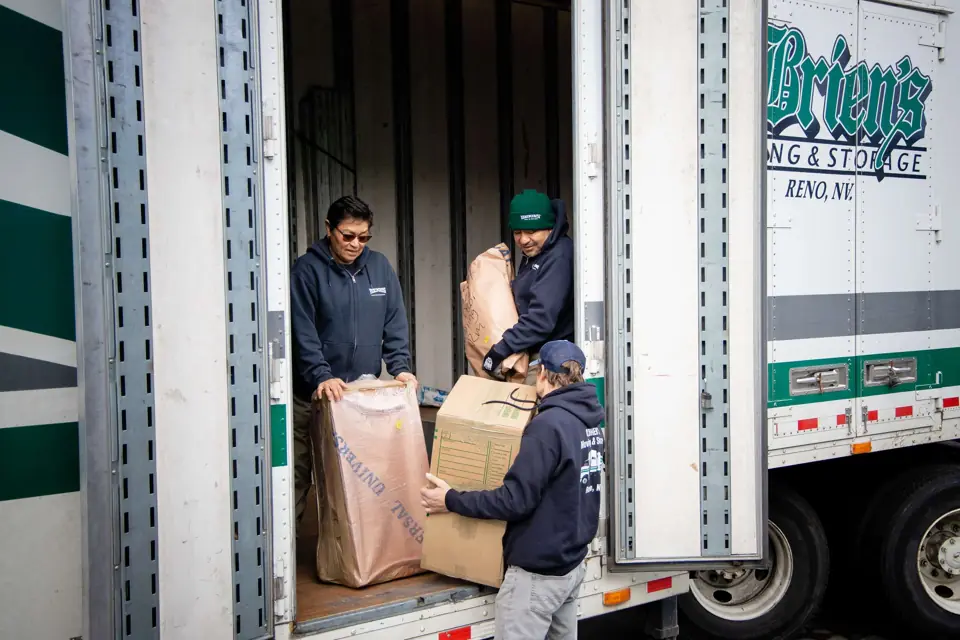
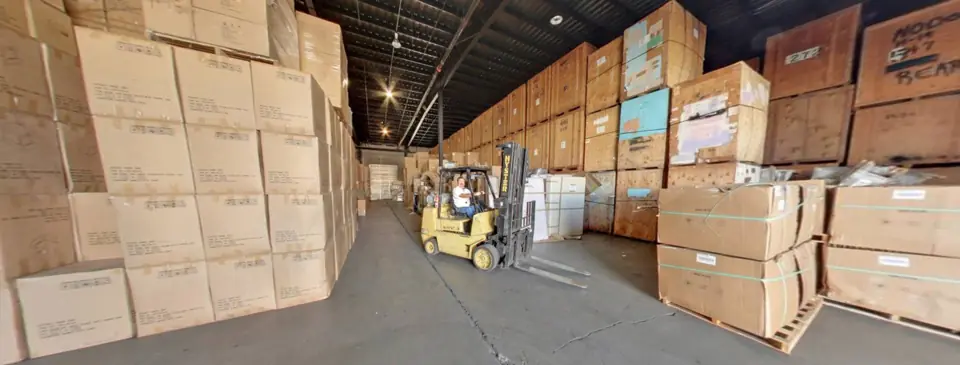
If you want a crew to wrap and load, ask the estimator to include it. The goods are then placed in the wooden vaults in the Sparks warehouse. See vault storage, and use the vault sizer to estimate how many vaults the furniture fills.
Keep a record
Photograph the furniture before it is wrapped, including any marks that already exist. Keep the photos and the list with your moving papers. When the goods come out, the same photos tell you whether anything changed.
Museums use similar habits to protect objects; the National Park Service has public guidance on handling and storing collections that applies in a smaller way to household antiques.