

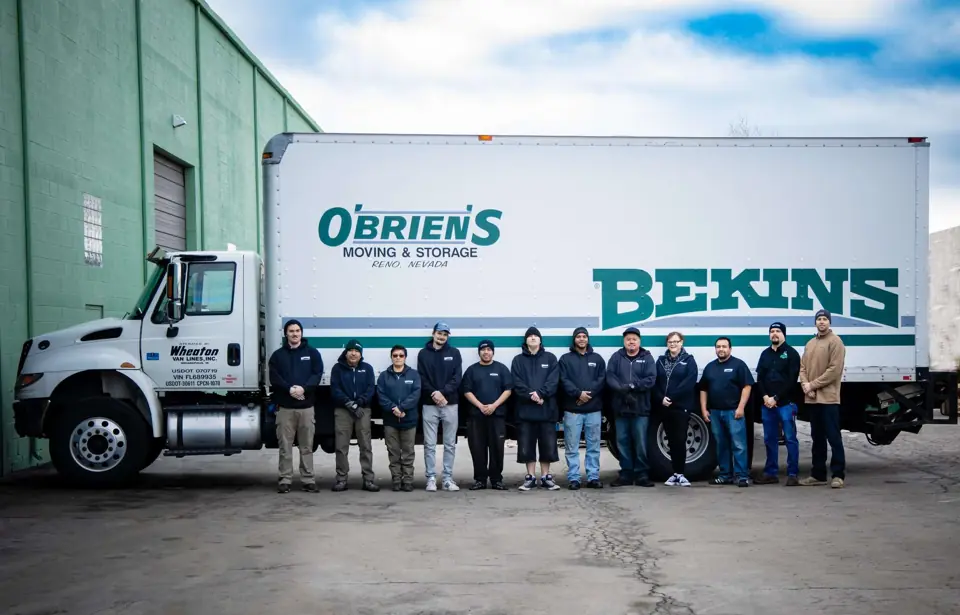
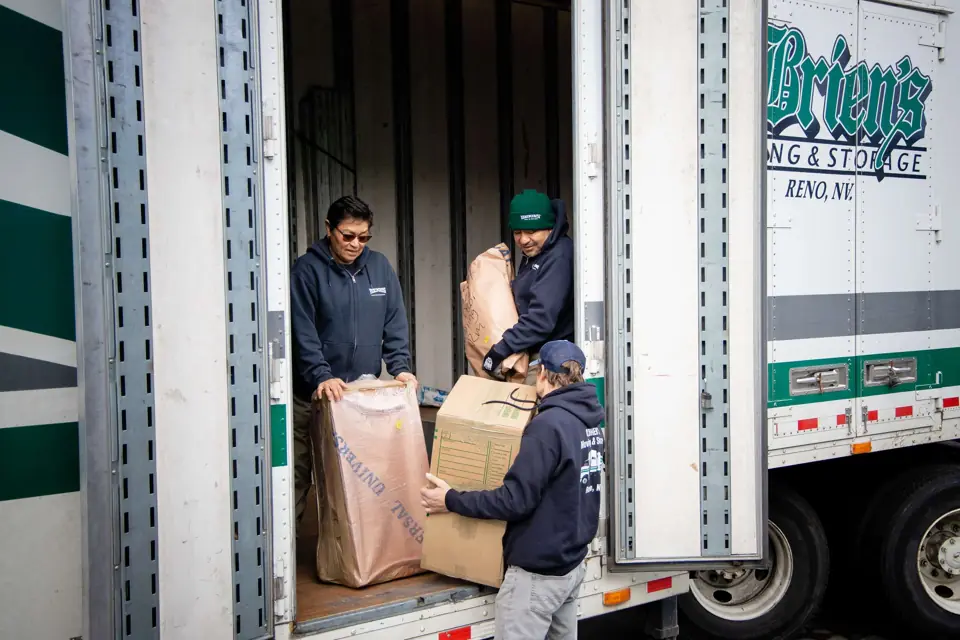
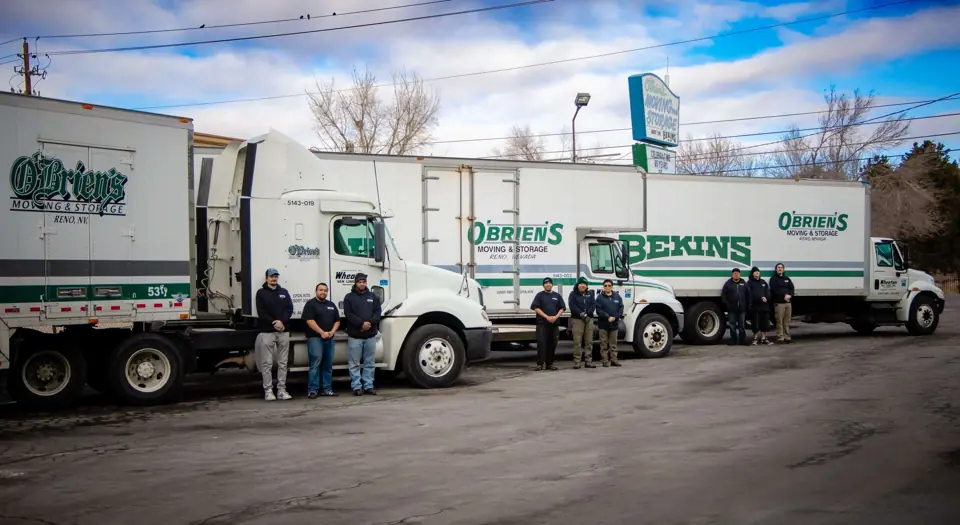

A tight budget is a reason to plan, not a reason to guess. Most overruns in a move come from what was left off the list, not from the first number. This guide shows where effort saves money, where it does not, and which questions keep the final bill close to the estimate.
Get the number before you decide
A phone ballpark takes a few minutes and tells you whether a move is in range. An online request takes a little longer and goes to the office. The in-home estimate is free and no-obligation: an O'Brien's estimator walks the home, lists what moves and writes an itemized written estimate. Read how it works at how our estimates work.
Ask for the estimate in writing, with the services listed. The FMCSA rules in 49 CFR Part 375 spell out how interstate estimates are written, and the consumer booklet Your Rights and Responsibilities When You Move explains them in plain language.

Cut the load, not the care
Every item you sell, donate or leave behind is one you do not pay to move. Go room by room and ask whether each piece is worth moving to a new home. Old mattresses, broken equipment and boxes you never opened in the last move are the first to go.
A smaller load can change the size of the truck and the length of the job. The Load Planner helps you see what a move looks like before the estimator arrives, with no prices attached.
Do the work that is safe to do yourself
Packing books, linens, clothing and decor into sturdy boxes is a good job for you and a few helpers. Take the 10 free heavy-duty boxes that come with the in-home estimate, then buy the rest at the Sparks office rather than collecting thin boxes that crush in a stack.
Hand the crew the jobs where a mistake costs more than the time saved: the couch, the piano, the glass top, the big TV and the heavy appliances. The partial packing service is built for this split, where the crew packs the fragile rooms and you pack the rest.
- Do yourself: sort, donate, pack soft goods, label every box, clean.
- Hand to a crew: heavy furniture, appliances, fragile and awkward pieces.
- Use free boxes first, then buy the rest of the supplies in one trip.
Keep the estimate from growing
Estimates grow when the list changes. Show the estimator the garage, the attic, the shed and anything you plan to buy before the move, and tell them about stairs, long carries and tight driveways. Late additions change the work, and the paperwork has to show that.
Pick a move date with some room, since a fixed deadline narrows your options. The best time to move guide covers the seasons in Northern Nevada, and how far ahead to book covers the calendar.
Watch the extras
Storage, packing materials and valuation coverage are the add-ons people forget to price. Vault storage starts from $40 per month if you need a place for part of the load, and the valuation coverage page explains the protection choices. Ask which extras are in the estimate before you compare two bids.