




Nevada has no state income tax, so local government leans on property and sales tax. This page explains the pieces of a Washoe County bill in the order you meet them, from the value notice to the cap, and where to confirm each number.
How a bill is built
The Washoe County Assessor values each property and, under Nevada law, assesses it at 35 percent of taxable value. The Treasurer then applies the tax rate for your tax district to that assessed value. Different districts overlap, so a house in Reno and a house in Sparks, or in the county outside city limits, can carry different rates.
The Treasurer's office publishes the current rates after the Nevada Tax Commission certifies them each June. Always check the current table instead of an old article, because the rates change from year to year.

The tax cap
Nevada limits how much a property tax bill can grow from one year to the next. The Assessor's pages describe an abatement that holds the increase within a band of 3 percent to 8 percent over the prior year's taxes, with the lower 3 percent cap available to owner-occupied primary residences that qualify. A new owner usually has to apply for the owner-occupied status, so ask the Assessor's office what to file after closing.
Because the cap limits growth, two neighbors can pay different amounts on identical houses if one has owned for years and one just bought. Plan your budget on the bill you will actually receive, not a neighbor's.
The value notice
Each year the Assessor mails a notice of value. It lists the taxable value of land and improvements, and it comes with a deadline for appeals. Reading the notice in your first year helps you catch errors, such as the wrong square footage or a finished basement that does not exist.
The Census Bureau's 2020 to 2024 American Community Survey shows a median home value of $548,300 for Reno city and $483,800 for Sparks city; your own assessed value will differ by neighborhood and age of the home, so use the notice, not the median.
Buying, selling and your move
When you close on a home in Washoe County, the title company handles the first prorated payment. Later, a bill arrives for the whole year and is due in installments set by the Treasurer. Mortgage companies often pay through escrow.
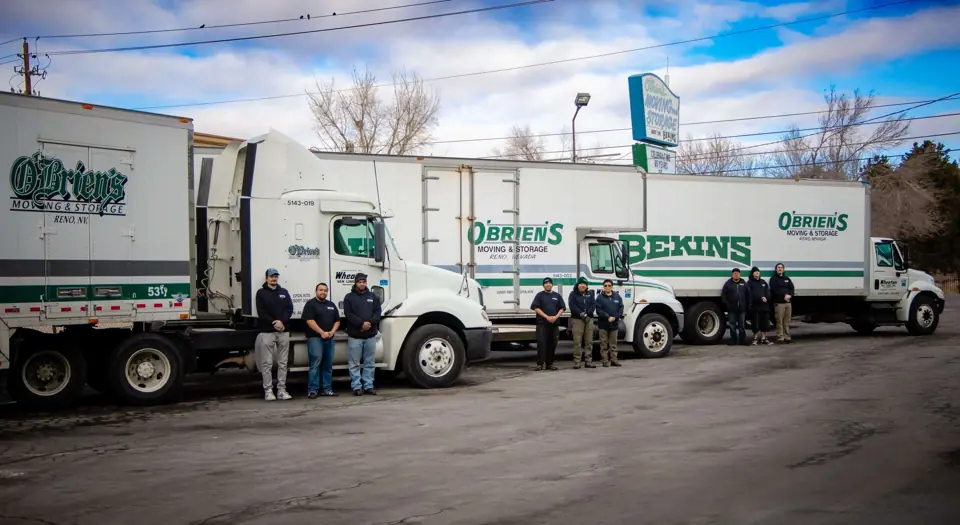
Moving costs are separate from property tax, but they hit the same month. A free in-home estimate from O'Brien's comes with 10 free heavy-duty boxes you keep, and vault storage from $40 per month can hold goods until the closing date. Call 775-359-6683. See the homestead exemption and the housing market.

Where to check
The Washoe County Treasurer's tax rates page, the Assessor's tax cap FAQ and the Nevada Department of Taxation are the official sources. If you move into Carson City, Douglas, Lyon or Storey County, each has its own assessor and rates, and the same state cap logic applies.