


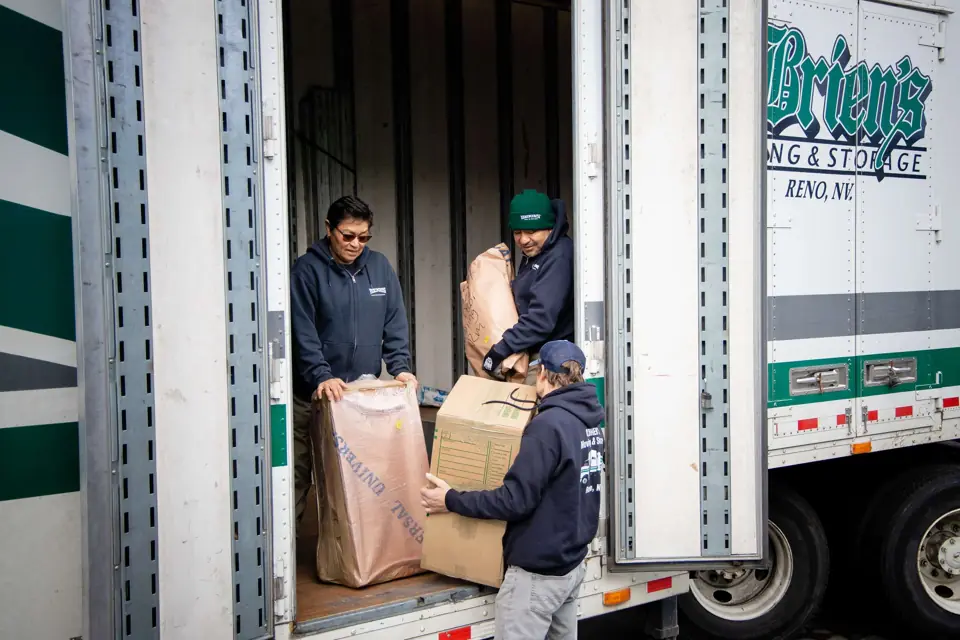


Moving later in life often means leaving a home of many years and deciding what to keep from a lifetime of belongings. The practical tasks are the same as any move, but the pace, the emotions and the care for fragile and sentimental items make it its own kind of job. Work at a gentle speed and share the load.
Step 1: choose the plan and the people
- Decide on the destination, whether a smaller home, an apartment or senior living.
- Pick a family member or friend to coordinate, and name backups.
- Gather the legal and medical papers: power of attorney, medication list, insurance cards.
- Ask the new community for its move-in rules, elevator reservations and times.

Step 2: measure the new space first
Get a floor plan and measure rooms, doorways and closets. Decide which furniture fits before sorting everything else. Mark pieces on the plan so the crew places each one on moving day. Fewer pieces in the right places make the new home feel familiar quickly.
Step 3: sort in rounds
- Round one: items that obviously stay or go, such as duplicates and broken things.
- Round two: furniture and large items against the floor plan.
- Round three: papers, photos and keepsakes, with family present.
- Set aside gifts for relatives, donations and anything to sell.
- Consider storage for items undecided, such as estate and downsizing storage.
O'Brien's can help with de-clutter and home-staging work if the house is being sold, as described on the de-clutter and staging page.
Step 4: arrange the services
- Book a free in-home estimate with someone who can answer questions at a patient pace (see senior moving).
- Decide how much packing the crew handles (see packing).
- Plan medicines, glasses, hearing aids and mobility aids to travel with a family member.
- Forward mail and update the address with Social Security, Medicare, banks and pharmacies. The change of address checklist lists them.

Step 5: moving day and settling in
- Have a helper at each address while the crew works.
- Set up the bed, bathroom and kitchen first and place the familiar chair and photos.
- Unpack medicines, glasses and the phone before the rest.
- Keep clear walkways and remove loose rugs.
- Introduce yourself to neighbors or the community staff on the first day.
Support beyond the move
The Eldercare Locator, run by the Administration for Community Living, connects older adults and their families with local services. Use it to find help with transportation, meals and in-home support after the move.