



A wine collection is both fragile and sensitive to temperature, and a move in a Reno July puts both at risk. The glass is the easy part. Heat is harder, because a few hours in a hot truck can change a wine that took years to age. This guide covers packing, temperature, paperwork and the point at which a professional wine-cellar move makes sense.
Temperature decides the plan
Most cellars hold wine around 55 degrees. Short swings are tolerated, but sustained heat is not. July afternoons in Reno average in the low 90s according to National Weather Service climate normals, and a closed truck or car runs hotter than the air outside. That is why a cool-season move is kinder to wine, and why a summer move calls for planning.
For a valuable collection, ask how the wine will be carried, how long it will sit on a truck, and where it will be held at the destination. Choose a cooler day or evening for loading when you can.
Pack bottles properly
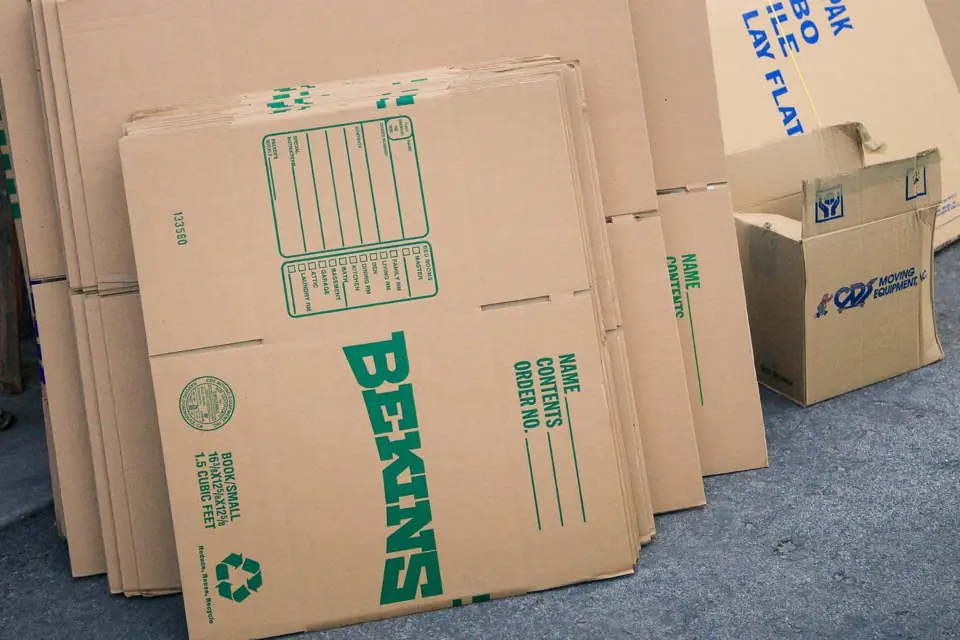
- Use wine shippers or sturdy boxes with individual cardboard dividers. Do not stack loose bottles in a regular carton.
- Check corks and capsules. A bottle with a seeping cork should be set aside and not shipped with the rest.
- Fill gaps with packing paper so no two bottles can touch.
- Label each box with the number of bottles and which way is up.
- Photograph rare or valuable bottles, labels included.
Rules about alcohol
Moving your own wine is not the same as selling or shipping it, but states have their own rules about bringing alcohol across the line, and some limit the amount a resident may import in one move. Check with the state alcohol agency for your destination, for example the California Department of Alcoholic Beverage Control or the Nevada Department of Taxation. The federal Alcohol and Tobacco Tax and Trade Bureau (TTB) covers the federal side.
Interstate carriers may have their own policies on wine, so ask about it when the estimator visits your home and have the answer written into the estimate.
Valuation and inventory
List wine on the inventory by case or by bottle, with a value noted for the collection. Read valuation coverage to see how coverage works for high-value items. A wine cellar with racks, a cooling unit and display fixtures is a separate job from the bottles, and O'Brien's handles that work as wine cellar moving.
Plan every stage of the trip
Ask where the wine will wait between pickup and delivery, and for how long. A day on a loaded truck in July is a very different thing from an overnight stop in a mild week. Put your wishes in writing on the estimate so the crew lead knows which cases are the careful ones.
Carry the best bottles yourself
Many collectors carry their top bottles in their own vehicle, in a cooler with ice packs in summer, and let the movers carry the rest. That puts the most valuable wine under your control for the whole trip. Whatever you decide, write it down, so the plan is clear when moving day arrives.