





Cats are attached to territory, so a move upsets them more than most people expect. A moving crew means open doors, strange voices and a lot of noise, and the safest cat on moving day is the one behind a closed door. This guide follows a cat through the week of the move, from the carrier to the new home.
Get the carrier familiar early
Set the carrier out two or three weeks before the move with a blanket and a treat inside. A cat that walks in on its own is easier to load than one pulled out from under a bed. Choose a carrier with a secure latch, not a basket.
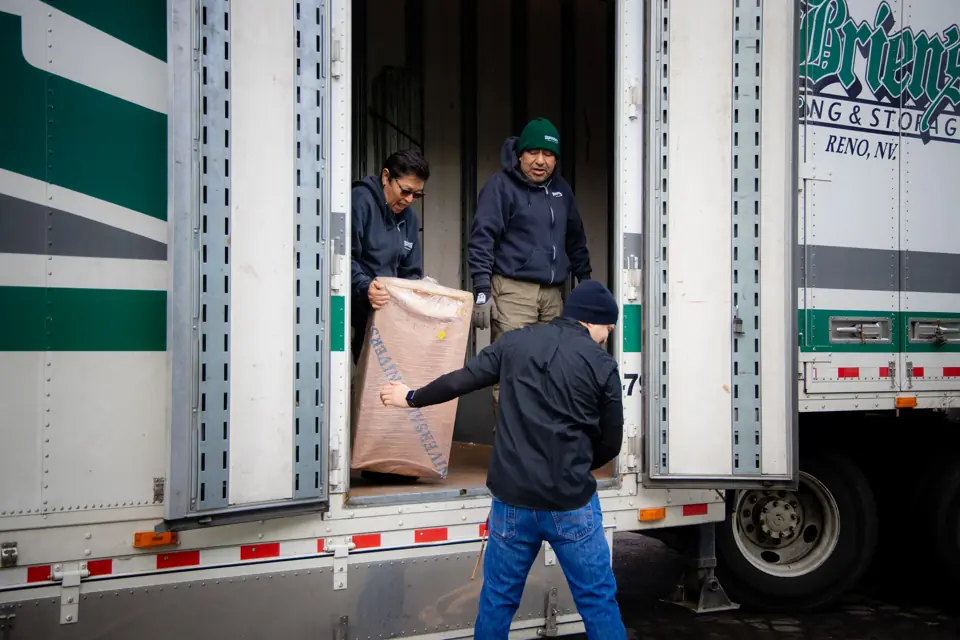
Moving day: one closed room
- Pick a bathroom or bedroom that is already empty or packed first.
- Put food, water, a litter box and a favorite blanket inside.
- Tape a sign on the door that says a cat is inside, so nobody opens it.
- Tell the crew lead where the cat is, so the room stays closed.
- Load the cat last, after the house is empty, and go straight to the car.
In the car
A carrier should be belted into the back seat or wedged on the floor so it cannot slide. Never leave a cat in a parked car, since temperatures in a closed car rise fast in the high desert sun. On a long drive, offer water at stops but keep the carrier closed. A cat that tries to escape a car in a new place can be hard to find.
If your move is long distance, plan the overnight stops around pet-friendly lodging, and carry a recent photo of your cat and a copy of its vaccination record.
Identification and local rules
Make sure the cat has a microchip registered with your new address and a collar tag with your cell number. Washoe County Regional Animal Services sets the local licensing and vaccination rules, so look at its page after you move. The Nevada Department of Agriculture covers animal entry rules for the state.

The first days at home
Set up one room first, with the litter box, food and bed in the same layout as before. Let the cat out of the carrier and leave the door of the room closed for a day or two. When the cat eats and uses the box, open the door a little at a time. Keep windows and doors secure, since a stressed cat can bolt.
Many cats hide for a day or two. Leave them be, keep a routine, and call a veterinarian if the cat refuses food for more than a day.
Where a mover fits in
A mover handles furniture and boxes, and you handle the cat. The more of the house that is already boxed and the cat that is safely closed away, the faster the day goes. For a planning timeline, see a moving timeline and moving-day tips.