

An antique is worth moving carefully because its value often sits in its original finish, joints and hardware. The routine that suits a modern dresser can strip those details away. O'Brien's has been a family business in Northern Nevada since 1941, and the steps below are the ones that matter most before and during a move.
Document each piece before packing
Photograph every antique from the front, the back, the underside and any marks or repairs. Note the maker, age and any appraisal you hold. This record helps with the inventory, with valuation coverage and with any claim, and it also shows how each piece looked on the day it left your house.
Federal rules for interstate household goods moves in 49 CFR Part 375 call for a written inventory and a condition record. Ask the estimator to list antiques one by one instead of grouping them as furniture.
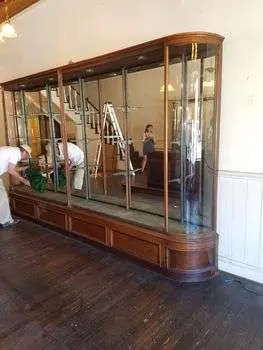
Wrap what the piece was made for
Soft moving blankets are the standard wrap for finished wood. Plastic stretch film sticks to old finishes and can lift them, so it goes over the blanket, never on the wood. Take off drawers, shelves and glass doors if they come out easily, wrap them separately and tape nothing to a surface that matters.
Pad the corners and carved edges. Protect marble tops, mirrors and glass with cardboard corners and flat padding. Put hardware and small parts in labeled bags taped to the piece or boxed with it.
Think about dry air and storage
Solid wood shrinks and swells with the air around it. The high desert around Reno and Sparks is dry, and furniture that spent years in a humid place can open a seam or loosen a joint as it settles. The National Park Service publishes conservation notes on caring for wood and other museum objects that apply to household antiques as well.
If pieces need to be stored between homes, O'Brien's full-service vault storage holds goods in wooden vaults measuring 7 ft x 7 ft x 5 ft, from $40 per month, and you ship stored goods with about 2 to 3 weeks of notice.
Crating for the most delicate pieces
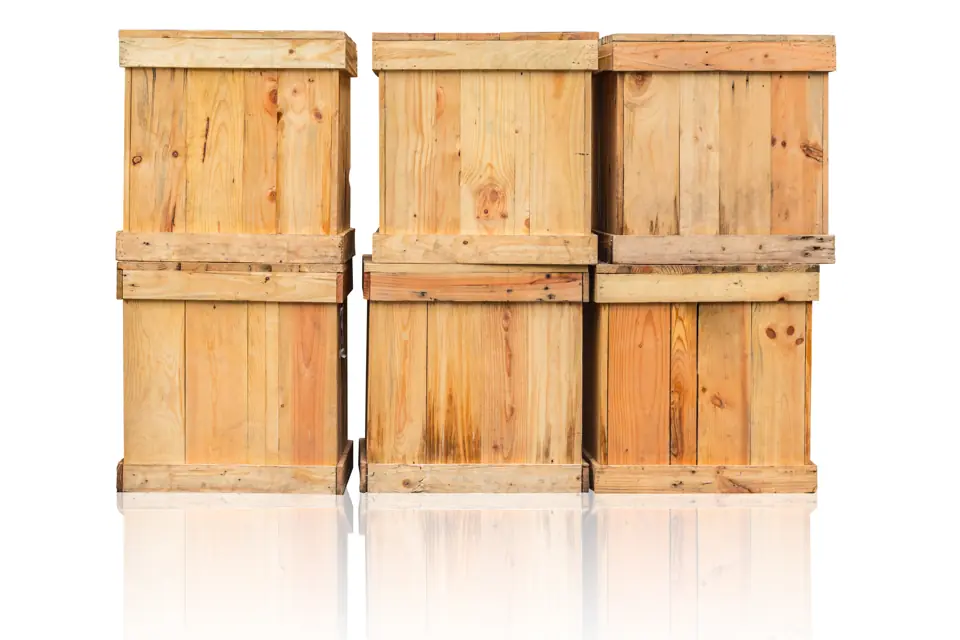
A glass-front cabinet, a fragile clock or a carved piece with thin parts can travel in a purpose-built wooden crate. Learn more about custom crating and about O'Brien's fine art and antique moving.

Valuation and what to ask
- Does the written estimate list each antique and its condition?
- What valuation coverage applies, and what does it pay on a high-value piece? See valuation coverage.
- Will the pieces be crated, blanket-wrapped or boxed?
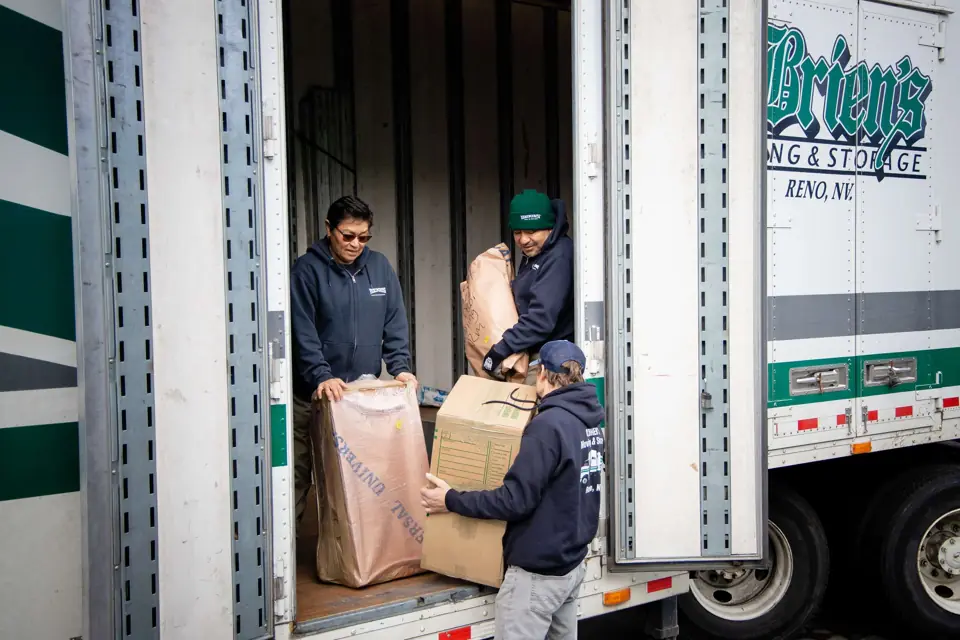
- Who will lift and carry the heaviest pieces, and how many people?
- Is there an appraisal or receipt that should travel with the piece?
Special cases
Clocks, chandeliers and large cabinets have their own steps. Read how to move a grandfather clock and how to move a chandelier for the details. For a piano, see piano and organ moving.