



The phrase gets used for everything from a driver who will carry a box to the door to a crew that assembles a dining room. Because it is a trade term and not a regulated one, the useful question is not whether a company uses it but what the written estimate says is included.
How white glove differs from other delivery levels
Curbside delivery leaves the item at the kerb or at a loading dock. Threshold or ground-floor delivery brings it inside the door. Room-of-choice delivery carries it to the room you name. White glove goes further: the crew inspects the item on arrival, unpacks it, places it where you want it, assembles it if needed and removes the packing materials.

The five things to confirm
- Where the item ends up: curb, door, room or final position.
- Whether the crew unpacks the item and inspects it with you.
- Whether assembly and set-up are included.
- Whether packing materials leave with the crew.
- How a problem with the item is recorded on the paperwork at delivery.
Who uses it
Homeowners use white glove for large sofas, dining sets and bedroom furniture. Designers and retailers use it when the customer's room is the finished product. Hotels, dormitories and other projects use the same idea at scale; see what FF&E means and choosing an FF&E installer.
White glove at O'Brien's
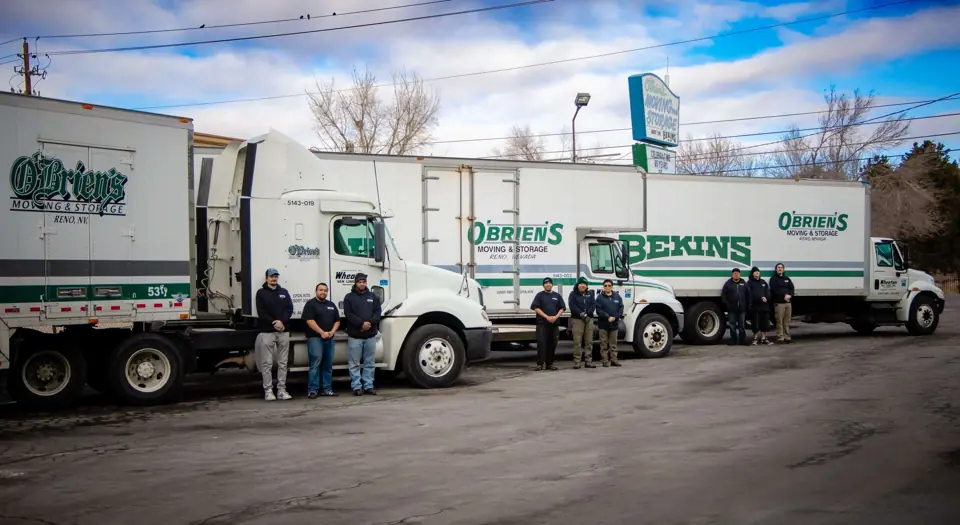
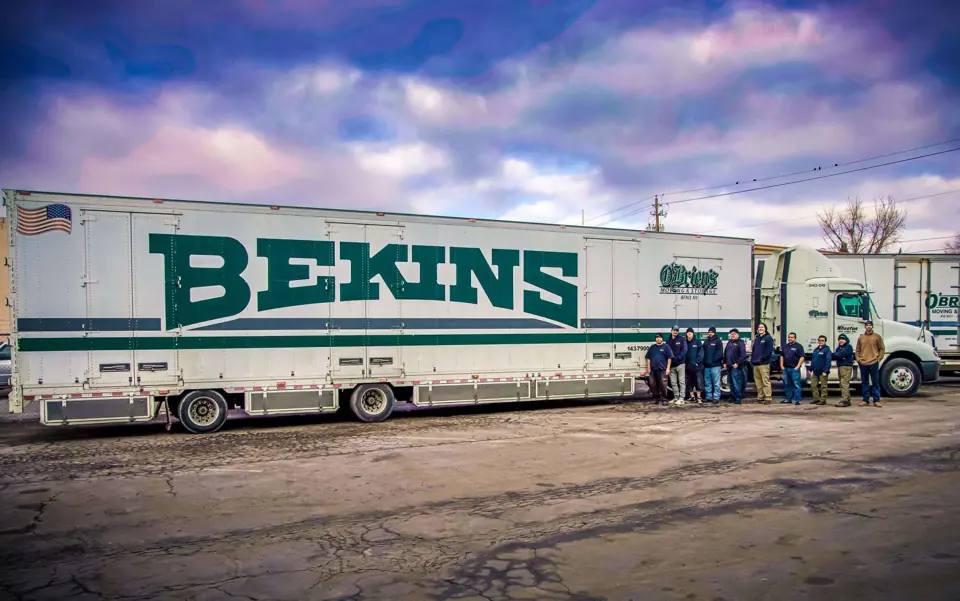
O'Brien's offers white-glove furniture delivery, along with warehousing and installation for interior designers. The details of a delivery are written on the estimate, so the scope you read is the scope you get. The service page is white-glove delivery, and the designer service is on interior designer logistics.

Inspect at the door
Whoever delivers, look at each item as it comes off the truck and note anything that looks wrong on the paperwork before the crew leaves. A note made at the door is much easier to act on than a discovery a week later. Photographs of the item as delivered help.