



Six steps to move a treadmill
- Unplug and prepare. Switch it off, unplug it, wrap the cord and tape it to the frame, and remove any removable safety key.
- Lower the incline. Set the incline to its lowest position, because a raised deck makes the machine top-heavy.
- Fold and lock the deck. Use the manual's steps to lift the deck, engage the safety latch and test that it holds.
- Protect the parts. Wrap the console, belt area and handrails with a pad, then secure with stretch wrap over the pad.
- Tilt and roll. Tip it onto its rear wheels with two people, keep the folded deck against you and roll slowly.
- Strap it upright. Stand it against the truck wall with a strap and nothing leaning on it.
Treadmills are among the heavier home gym pieces, and the folding frame can swing when released. The owner's manual shows how to fold and lock your model, so start there. The steps below cover what is true for almost every treadmill.

Read the manual first
Models differ: some fold with a hydraulic assist, some have a lock pin and some do not fold at all. If you no longer have the manual, the maker's site usually has a PDF by model number. A treadmill that does not fold is moved on a dolly with a helper and a ramp.
Stairs and tight doors
Treadmills are wide and heavy, so stairs need planning. Move it down stairs with two or more people, with one below and one above, and lift rather than drag. If the machine is too large for the route, the console and handrails sometimes come off; follow the maker's instructions.
Protect your floors
Wheels and metal feet scratch hardwood. Lay a mat or runner along the path. At the new home, set the treadmill on a flat surface and level the feet before plugging in.
Let the crew do it
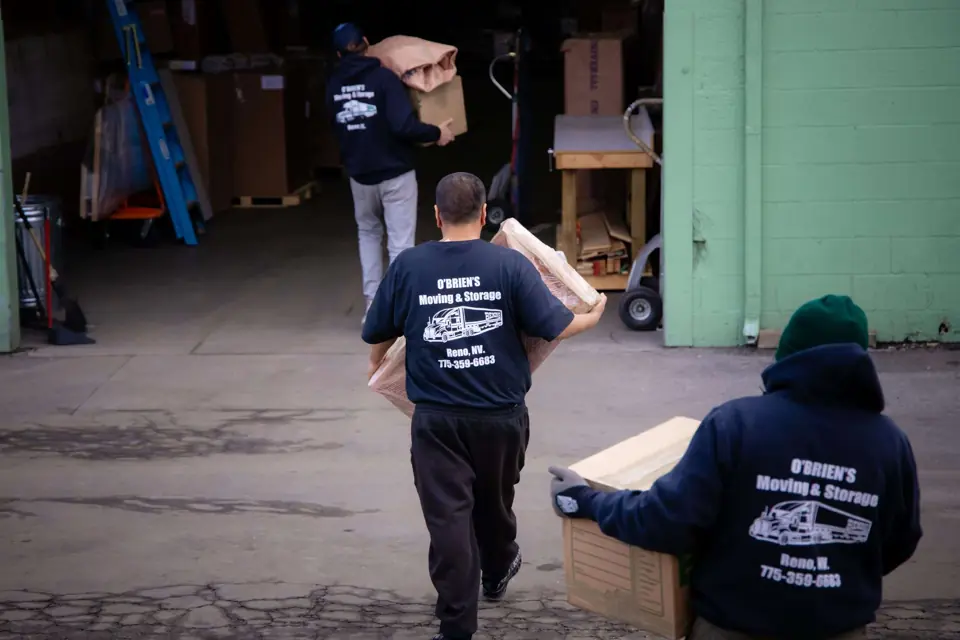
A treadmill is a good example of a piece worth handing to a trained crew. It is one of the heavy fitness items covered in a household move; tell the estimator about it so it is on the written list. See local moving or how to move a pool table for another heavy item.